

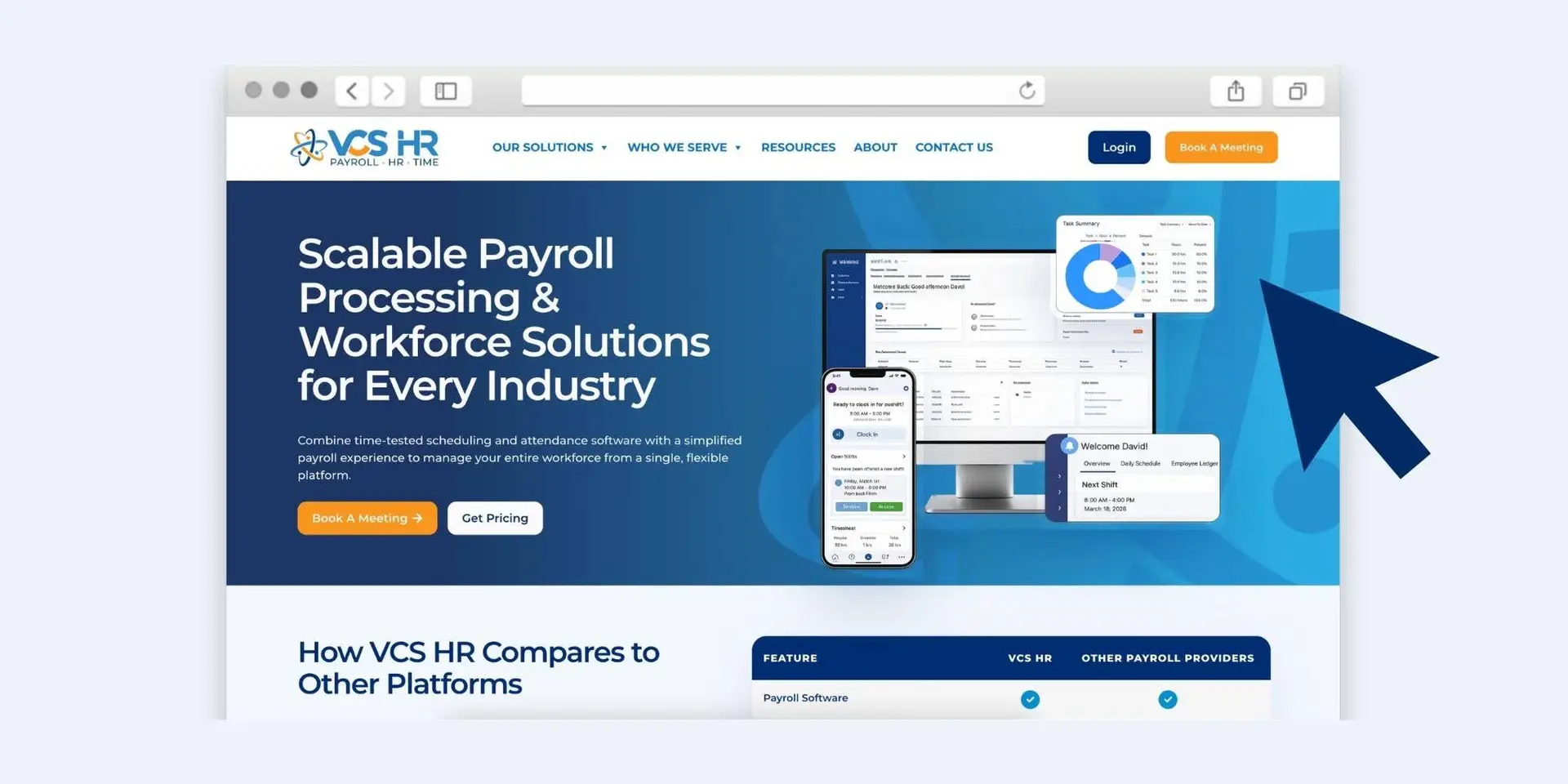


Scale your business seamlessly with reliable, compliant, and automated payroll solutions designed for growing teams.
Expanding your team is a huge win. Behind the scenes, though, it puts a serious strain on your back-office operations. Payroll is often the first system to break under the weight of rapid growth. Managing a handful of local employees is straightforward; Managing a scaling workforce is completely different.
If you want to keep everyone paid on time without getting compliance penalties, you have to know when to upgrade your current setup and what features to look for next.
The Payroll Challenges of Scale
As you scale, payroll stops being a simple administrative task and becomes a massive regulatory issue. A larger workforce introduces variables that manual spreadsheets simply cannot handle accurately.
Growing companies face several specific payroll friction points:
- Complex Employee Classifications: Blending full-time staff, part-time workers, and independent contractors (1099 workers) introduces strict IRS rules. Misclassification leads to heavy penalties.
- Multi-State Tax Compliance: Remote work means you might hire employees living in different states. Every state has unique tax withholding, unemployment insurance, and local payroll laws.
- Overtime and Benefits Tracking: Tracking hourly variations, overtime rules, health insurance deductions, and retirement contributions complicates every pay cycle.
- Advanced Reporting Needs: Leaders need clear data on labor costs to make smart hiring decisions. Basic tools fail to provide these insights.
Comparing Your Payroll Options
As these challenges accumulate, businesses generally choose between three distinct operational models:
Manual Payroll
This involves internal staff calculating taxes, deductions, and paychecks using spreadsheets or basic calculators. You save on software fees, but you pay for it in hours wasted. Plus, running payroll by hand leaves room for errors and costly tax penalties.
Outsourced Payroll Services
You hand your employee data over to an external provider who handles calculations, tax filings, and direct deposits. This removes the administrative burden from your internal team and leverages expert handling to minimize compliance risks. It provides strong peace of mind during growth phases.
Integrated Payroll Software
A self-service platform allows your team to manage payroll digitally and automates calculations and tax filings. This is highly scalable and cost-effective, though it still requires someone internally to run the system and handle data inputs.
The Power of Integrated Time and Scheduling
One major mistake growing businesses make is keeping time tracking, scheduling, and payroll in separate silos. When employees log hours in one app and your payroll operates in another, someone has to manually copy that data over.
This duplicate entry wastes hours every month. More importantly, it creates opportunities for typos and data mismatches. Connecting your time tracking and scheduling tools directly to your payroll service solves this because time flows automatically into the pay cycle. This reduces processing errors, mitigates wage theft, and ensures compliance with overtime laws.
Evaluation Checklist for Growing Teams
When shopping for payroll services for small businesses or looking at payroll software for growing businesses, do not just buy for your current team size; buy for where you expect to be in three years.
Look for these essential features during your evaluation:
- Automated Tax Filing: The system must calculate, file, and deposit local, state, and federal taxes automatically.
- Employee Self-Service Portals: Staff should be able to download pay stubs, access W-2s, and update banking details without contacting HR.
- Scalable Infrastructure: Ensure the pricing and tier structure accommodate rapid hiring bursts without massive cost spikes.
- Direct HR and Benefits Integration: Your payroll must sync with health insurance, workers’ comp, and 401(k) plans to handle deductions cleanly.

Frequently Asked Questions
What are the main payroll challenges for growing businesses?
As a business scales, payroll becomes a major regulatory headache due to complex employee classifications and multi-state tax compliance. Furthermore, tracking overtime, benefits, and local payroll laws introduces variables that manual spreadsheets simply cannot safely handle.
What are the primary payroll options for expanding companies?
Growing businesses generally choose between manual payroll utilizing spreadsheets, outsourced payroll services managed by external experts, or self-service integrated payroll software. Outsourced services remove the administrative burden, while integrated software automates calculations but still requires an internal staff member to handle data inputs.
What key features should I look for in a new payroll processing service?
When evaluating your options, look for automated tax filing, employee self-service portals, and a scalable infrastructure that can accommodate rapid hiring bursts without massive cost spikes. It is also essential that the service directly integrates with HR, benefits, and time tracking to eliminate duplicate data entry and reduce processing errors.
As a business scales, payroll becomes a major regulatory headache due to complex employee classifications and multi-state tax compliance. Furthermore, tracking overtime, benefits, and local payroll laws introduces variables that manual spreadsheets simply cannot safely handle.
Growing businesses generally choose between manual payroll utilizing spreadsheets, outsourced payroll services managed by external experts, or self-service integrated payroll software. Outsourced services remove the administrative burden, while integrated software automates calculations but still requires an internal staff member to handle data inputs.
When evaluating your options, look for automated tax filing, employee self-service portals, and a scalable infrastructure that can accommodate rapid hiring bursts without massive cost spikes. It is also essential that the service directly integrates with HR, benefits, and time tracking to eliminate duplicate data entry and reduce processing errors.
Contact VCS HR for Payroll Processing Services Today
Dealing with messy payroll calculations shouldn’t pull your focus away from growing the business. Partnering with professionals ensures your team gets paid accurately while keeping your company fully compliant with shifting tax regulations.
VCS HR provides scalable payroll processing services tailored to your evolving business needs. Reach out to our team today to streamline your payroll infrastructure and support your team’s growth.